
Engagement ring settings determine how a diamond or gemstone is held in the ring and have a major impact on how the stone looks, how secure it is, and how the ring feels on your hand. Common settings include prong, bezel, halo, pave, channel, and cathedral. At Rick Terry Jewelry Designs in Knoxville, master jewelers help clients choose and custom-build the right setting for their stone, style, and lifestyle. The family-owned studio has been crafting engagement rings in-house since 1986.
Engagement Ring Settings Explained: A Knoxville Jeweler’s Breakdown of Every Style
The diamond gets most of the attention, but the setting is what makes the ring. It determines how the stone sits, how much light reaches it, how secure it is against daily wear, and how the ring looks on your hand. Two identical diamonds placed in different settings will look like completely different rings.
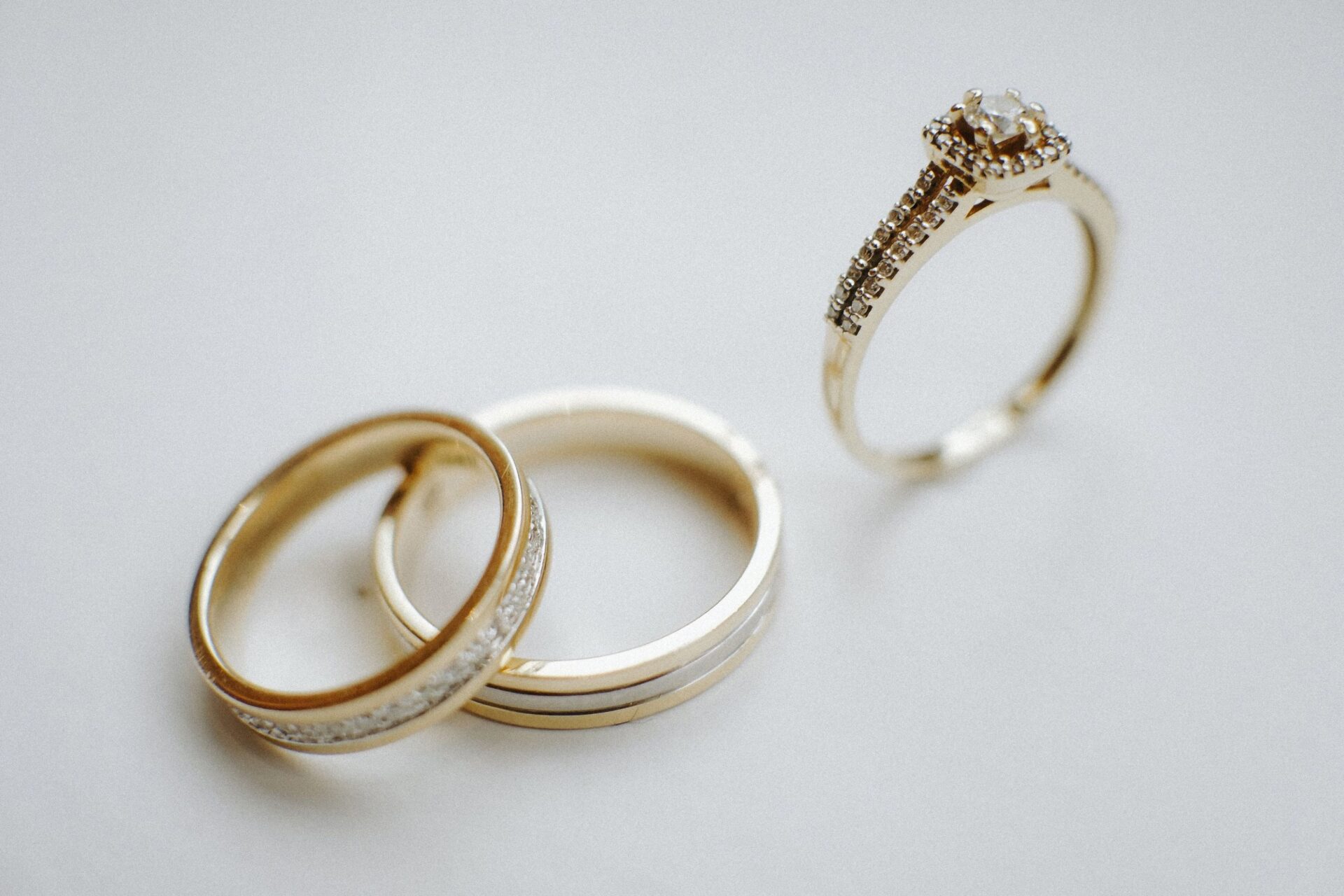
If you are shopping for an engagement ring or planning to have one custom designed, understanding your options for engagement ring settings in Knoxville is one of the most practical things you can do before sitting down with a jeweler. It will help you communicate what you want, ask better questions, and feel confident in the final design.
At Rick Terry Jewelry Designs, the team walks every client through the available setting styles during the design process. Since 1986, the studio has been building engagement rings from scratch in their Kingston Pike workshop, and the setting is always one of the first decisions made. Here is a clear look at each option and what makes it different.
Prong Settings: The Classic Choice
A prong setting uses small metal claws to grip the stone and hold it in place above the band. Most prong settings use four or six individual prongs. This is the most common engagement ring setting, and for good reason. It allows maximum light to enter the diamond from all angles, which produces the most brilliance and sparkle.
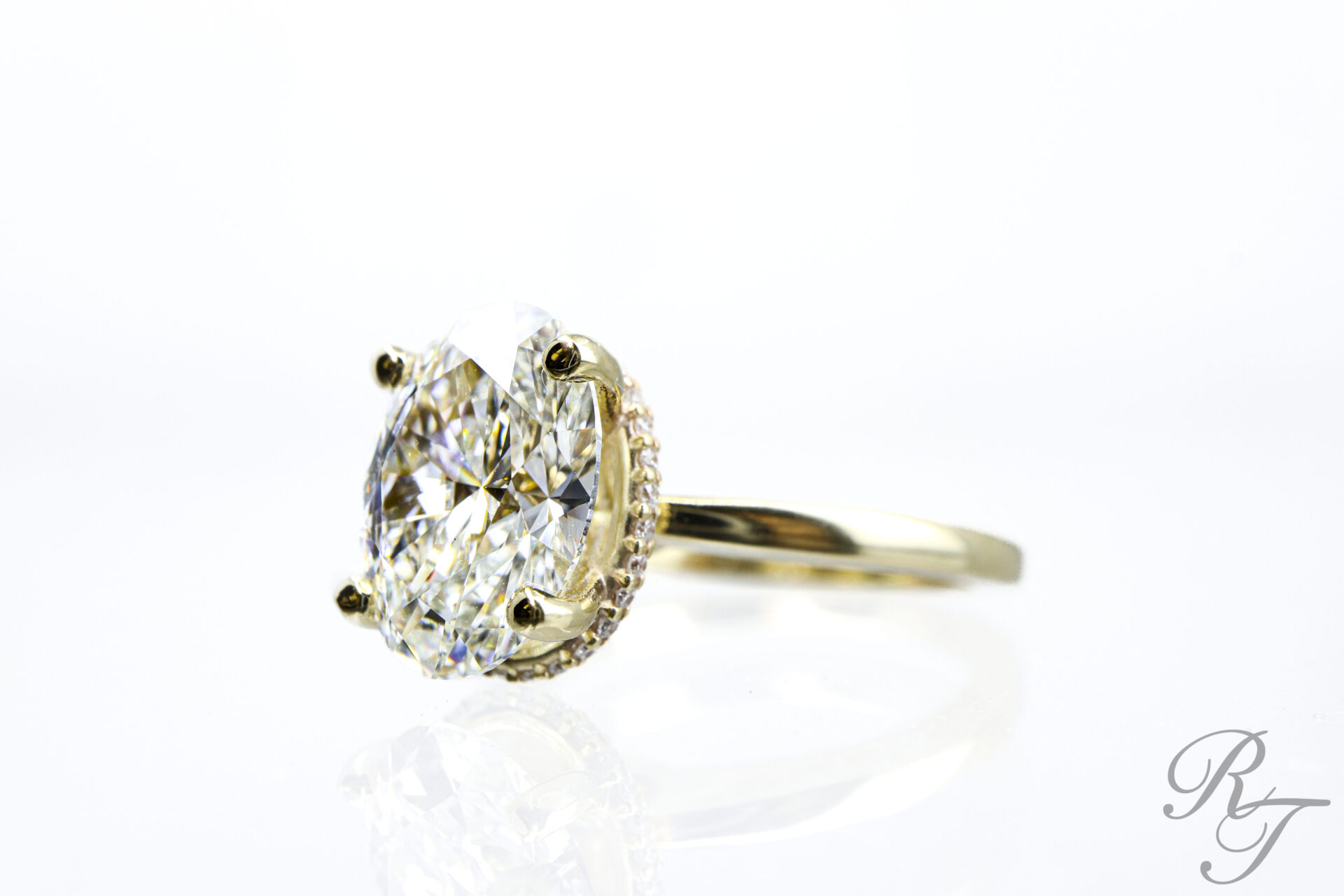
Best for: Clients who want their diamond to be the clear focal point of the ring. The prong setting lifts the stone higher than most other settings, giving it maximum visibility.
Things to know: Prongs can catch on fabric and hair over time, especially four-prong designs. They also wear down with daily use and need to be inspected regularly. At Rick Terry Jewelry, the team recommends a yearly prong inspection to catch thinning before a stone comes loose.
Bezel Settings: Maximum Protection
A bezel setting wraps a thin band of metal around the entire perimeter of the stone, holding it flush against the ring. The result is a clean, modern look with excellent stone security. Because the metal rim protects the edges of the diamond, bezel settings are a strong choice for people with active lifestyles or hands-on jobs.
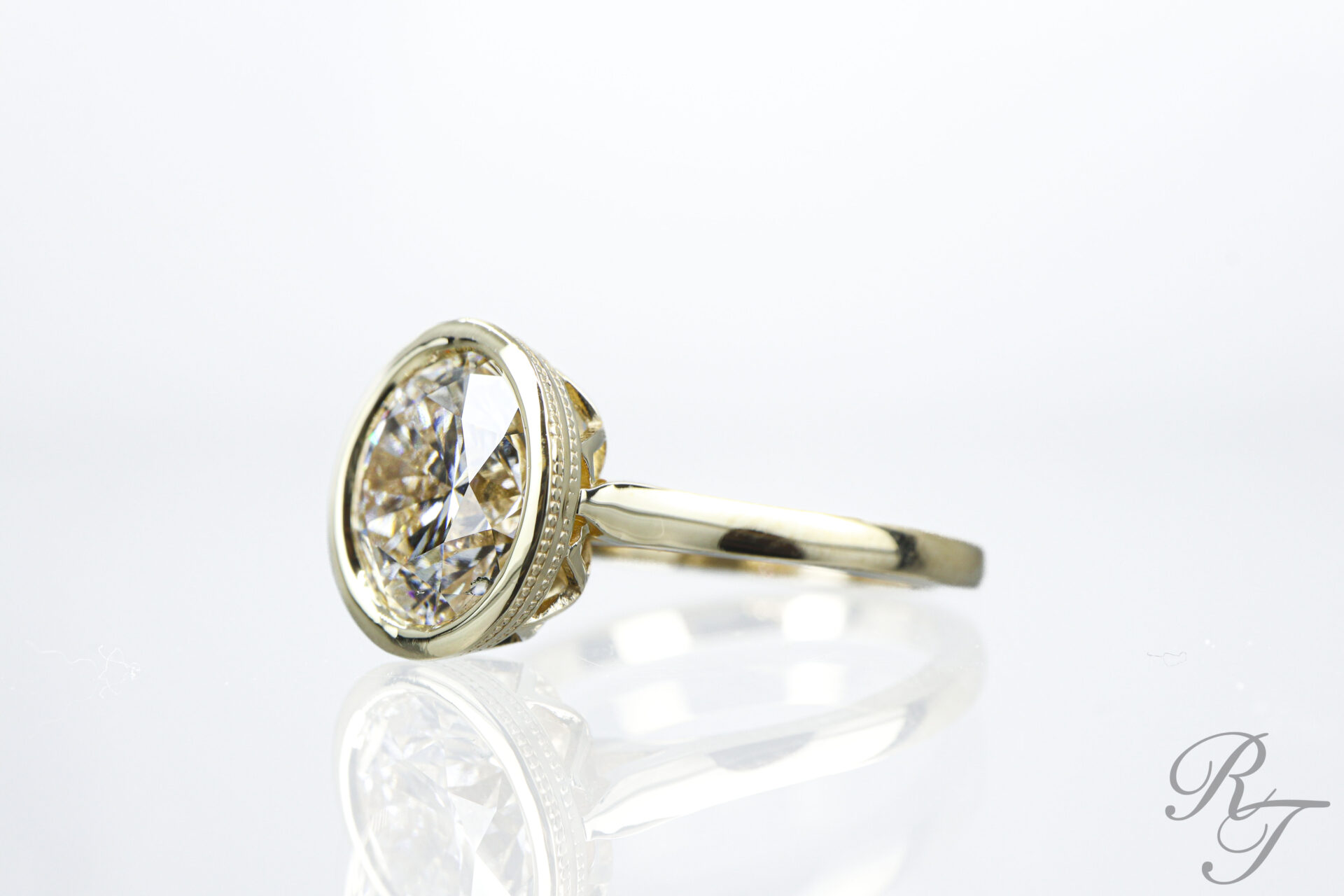
Best for: Clients who want a sleek, low-profile ring that will not snag or catch. Also a smart option for nurses, teachers, athletes, and anyone who works with their hands.
Things to know: A bezel covers more of the stone’s perimeter, which can make it appear slightly smaller than the same diamond in a prong setting. It also reduces the amount of light entering from the sides. That said, many clients love the modern aesthetic and added security.
Halo Settings: Added Presence and Sparkle
A halo setting surrounds the center stone with a ring of smaller diamonds or gemstones. The effect is a larger visual footprint and more overall sparkle. A 1-carat diamond in a halo can look closer to a 1.5-carat stone from a normal viewing distance.
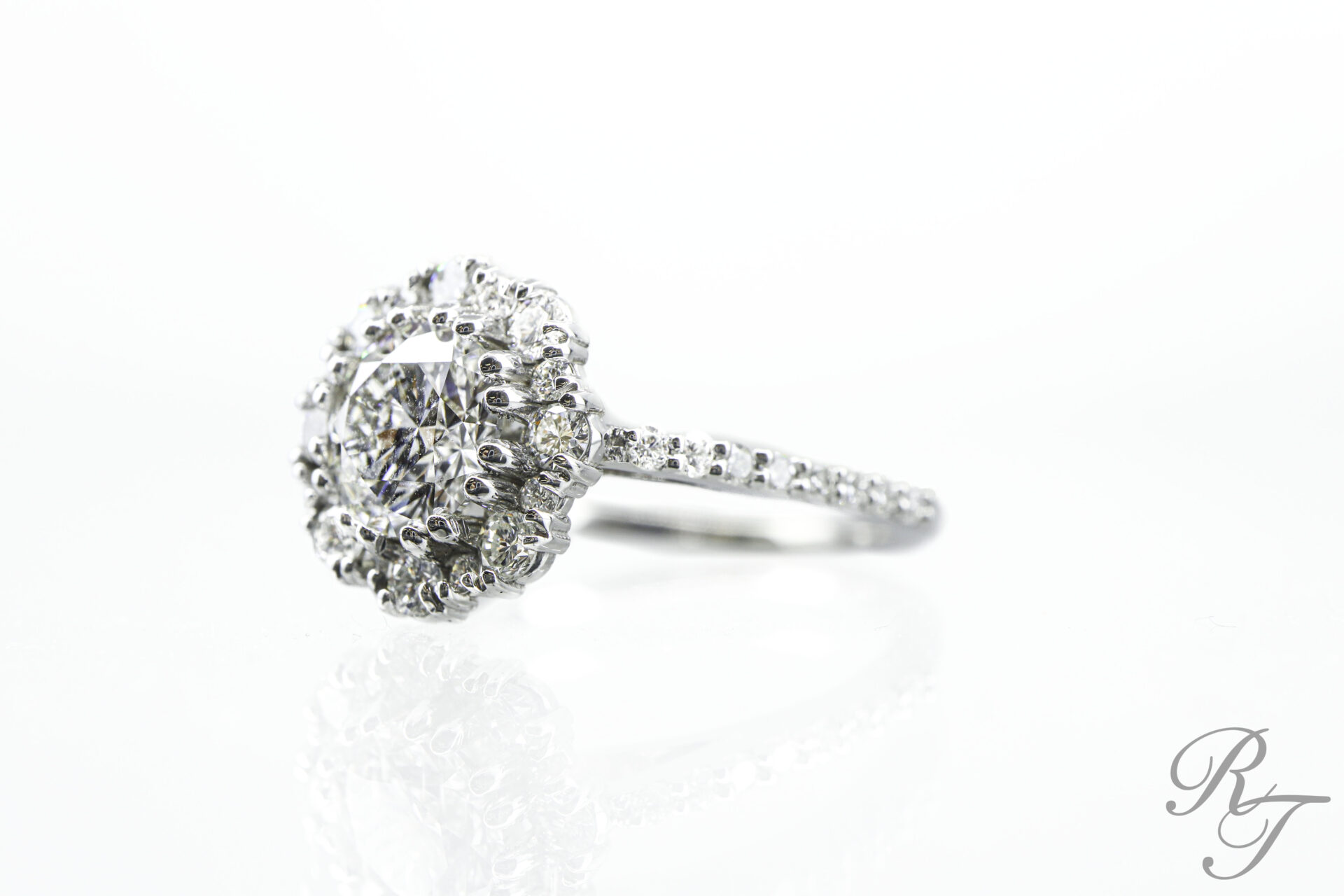
Best for: Clients who want maximum visual impact. A halo adds sparkle and size without increasing the cost of the center stone itself. It is also popular for vintage-inspired designs.
Things to know: Halos add complexity to the ring, which means more small stones that will each need their own secure setting. The team at Rick Terry Jewelry sets every halo stone by hand, which takes time but results in a level of precision that factory-produced rings cannot match. This is one of the most popular engagement ring settings in Knoxville for clients who want a statement piece.
Pave Settings: Continuous Sparkle Along the Band
Pave (pronounced pah-vay) settings feature tiny diamonds set closely together along the band of the ring. The stones are held in place by small prongs or beads of metal, creating the appearance of a continuous surface of diamonds. The word comes from the French word for “paved,” because the band looks like it has been paved with stones.
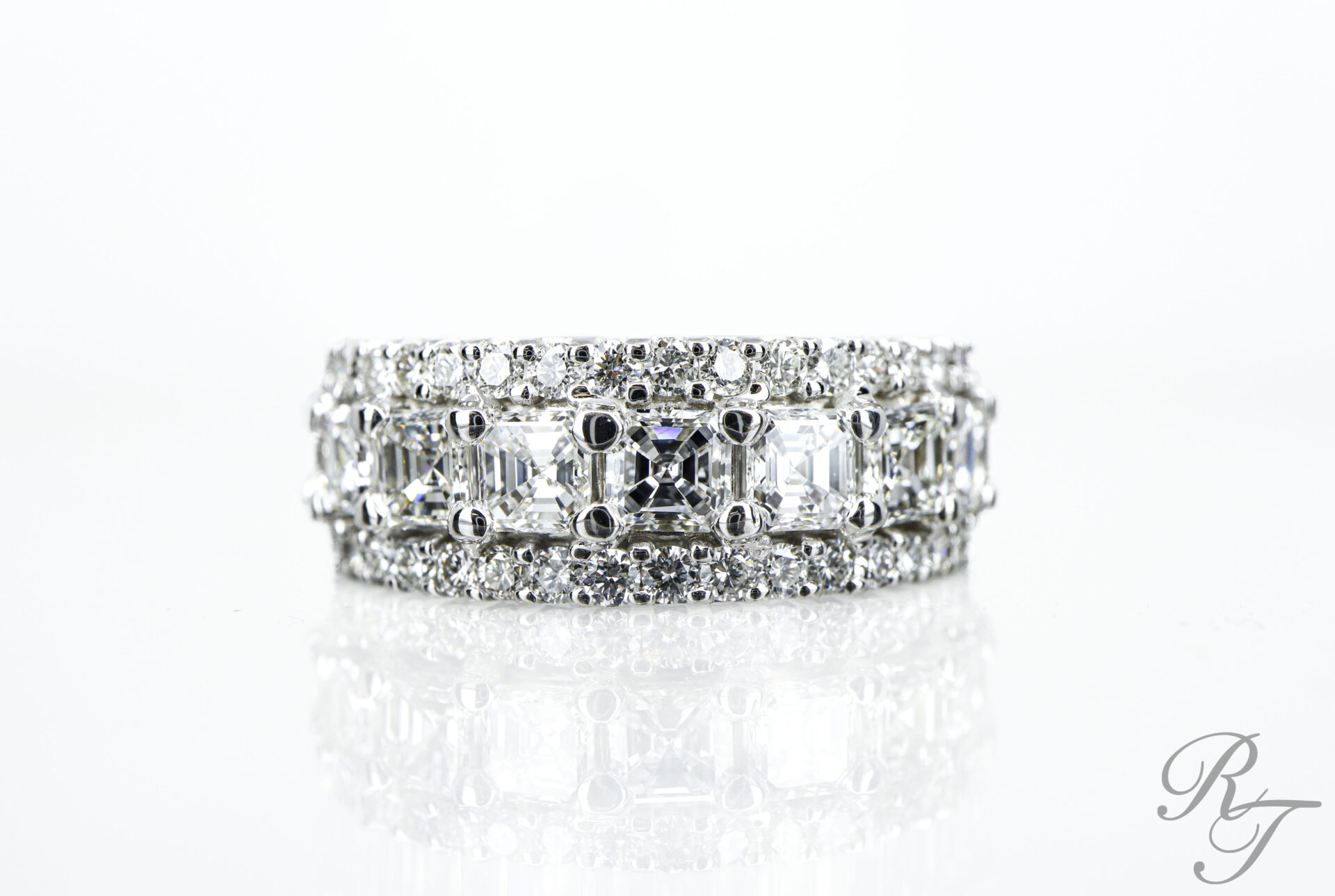
Best for: Clients who want the band to sparkle as much as the center stone. Pave pairs well with nearly every center setting style and adds a luxurious feel without dramatically increasing cost.
Things to know: Pave stones are small and sit close to the surface, which means they can occasionally come loose with heavy wear. Regular inspections catch this early. The stones are individually set by hand at Rick Terry Jewelry, and the studio can replace any that come loose over time.
Channel Settings: Clean Lines, No Prongs
A channel setting holds stones between two parallel walls of metal, with no prongs or beads visible. The stones sit side by side in a neat row, flush with the walls. This creates a very clean, smooth look and is commonly used on wedding bands or as a side-stone setting on engagement rings.
Best for: Clients who want a smooth ring that will not catch on anything. The lack of prongs makes channel settings extremely low-maintenance and comfortable for everyday wear.
Things to know: Channel-set stones allow less light in from the sides compared to prong-set stones, but the smooth finish and durability make it a favorite for people who prioritize wearability.
Cathedral Settings: Elevated Elegance
A cathedral setting uses arched metal supports that rise up from the band to hold the center stone higher above the finger. The arches resemble the vaulted ceilings of a cathedral, which is where the name comes from. This extra height gives the ring a more dramatic, elevated profile.
Best for: Clients who want their center stone to stand out prominently. The added height draws the eye upward and makes the diamond appear more prominent.
Things to know: The raised profile means the stone sits higher off the finger, which increases the chance of bumping it against surfaces. Cathedral settings work best for clients who are comfortable with a taller ring profile.
How to Choose the Right Engagement Ring Setting
There is no single best setting. The right choice depends on your priorities. Here are a few questions that will help narrow it down:
How active is your lifestyle? If you work with your hands, exercise frequently, or have a job where a taller ring could get in the way, lower-profile settings like bezel or channel are worth considering.
What is the shape of your center stone? Some shapes pair more naturally with certain settings. Round brilliants look excellent in almost anything. Emerald cuts shine in bezel or cathedral settings. Cushion cuts are a natural fit for halos.
What aesthetic do you prefer? Classic and clean? Prong. Modern and sleek? Bezel. Maximum sparkle? Halo with pave. The setting is the biggest design decision after the stone itself.
What is your budget? Adding a halo or pave band increases cost because of the additional diamonds and labor involved. A simple prong setting on a plain band keeps the focus and the budget on the center stone.
During a custom engagement ring consultation at Rick Terry Jewelry, the team helps you work through these questions based on your partner’s style, your budget, and the stone you have selected. Because everything is designed in-house using CAD software and hand-finished by master jewelers, any combination of settings is possible.
Why the Setting Matters as Much as the Stone
A well-chosen setting does more than hold a diamond. It changes how the stone interacts with light, how the ring feels on a finger, and how durable the ring will be over decades of daily wear. A poor setting can make a beautiful stone look dull. A great setting can make a modest stone look extraordinary.
This is one of the reasons why working with an experienced local jeweler matters. At Rick Terry Jewelry, the team has been designing engagement ring settings in Knoxville since 1986. Every ring is built by hand using responsibly sourced diamonds and gemstones, and the studio offers lifetime inspection and cleaning to keep every setting secure for years to come.
Frequently Asked Questions About Engagement Ring Settings
Can I mix setting styles on one ring?
Absolutely. One of the most popular combinations is a prong-set center stone with a pave band. Halo centers with channel-set side stones are another common pairing. The Rick Terry team can design any combination that works with your stone and your style.
Which setting makes a diamond look the biggest?
A halo setting has the greatest visual size impact. The surrounding ring of smaller diamonds extends the overall footprint of the center stone, making it appear significantly larger.
Which setting is the most secure?
A bezel setting offers the most stone protection because the metal wraps completely around the perimeter. That said, a well-maintained prong setting is also very secure with regular inspections.
Can an existing ring’s setting be changed?
Yes. If you have a ring with a setting you no longer like, the team at Rick Terry Jewelry can reset your stone into a new design. This is a common request for inherited rings or older pieces.
How long does it take to design a custom engagement ring?
Timelines depend on the complexity of the setting and design. During your consultation, the team will give you a realistic estimate based on your specific project.
Find the Right Setting for Your Ring
Choosing a setting is easier when you can see and feel the options in person. Visit Rick Terry Jewelry Designs at 11320 Kingston Pike in Knoxville to sit down with the team and explore which setting style fits your stone, your partner’s taste, and your lifestyle. Call 865.777.3793 or schedule a consultation through the website to get started.
